Start Time
 Duration
 Price
Price
 Meeting Point
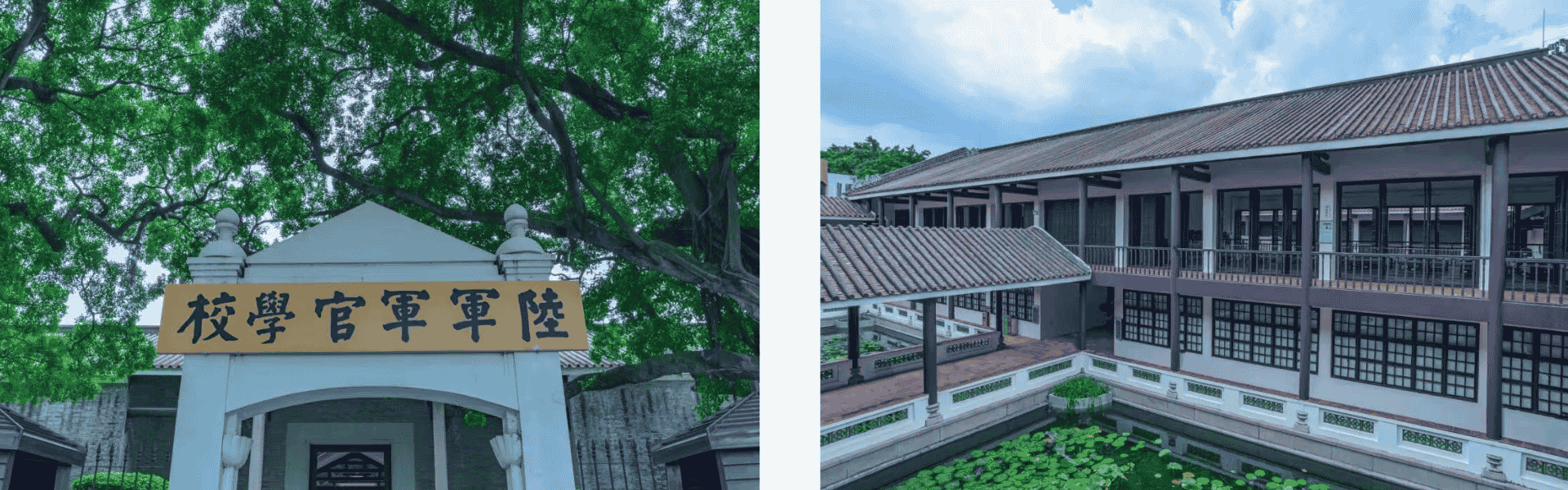
At the Whampoa Military Academy, the core aesthetics of 'form follows mission' are embodied.
Every space here is meticulously crafted for a noble purpose, devoid of superfluous design. Within the disciplined order of light, shadow, and brickwork, one experiences the most pure and awe-inspiring design language, capturing images that radiate power.
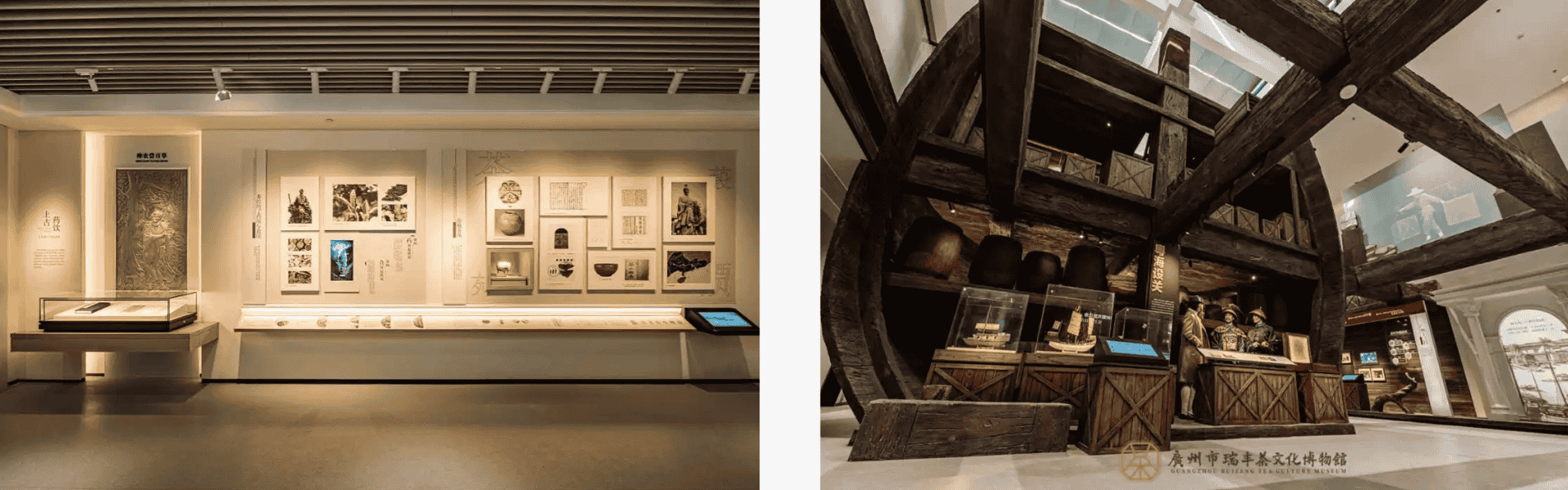
At the Tea Museum, you can experience the vast world within a cup of tea.
More than just a museum, it is a complete lifestyle experience system centered around tea. From history to technology, from tea tasting to health, it offers a modern interpretation of Eastern life aesthetics in all its aspects.
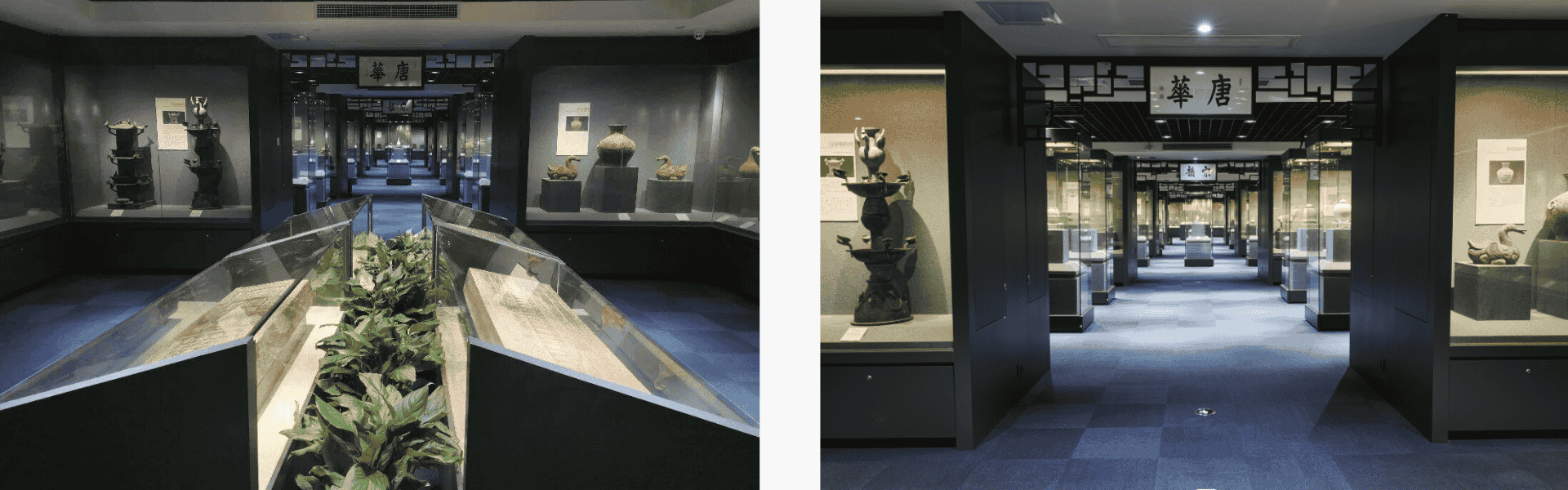
Step into the 'Divine Art Museum' to encounter aesthetics from a thousand years ago.
The Haopu Art Museum is a hidden gem for connoisseurs. Here, you'll find no noise—only ancient ceramics that have endured through the ages. In the serene beauty of still life, they engage in a silent dialogue with the ingenuity of ancient craftsmen.
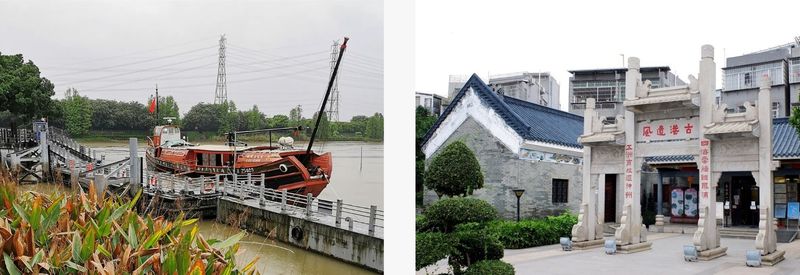
Huangpu Ancient Port, The perfect combination of history and cuisine.
Huangpu Ancient Port was the starting point of the Guangzhou Maritime Silk Road and the only foreign trade port during the Qing Dynasty's "One Port Trade" period, with a very prominent historical position.
Historical Status and Value
Maritime Gateway: Since the Song Dynasty, it has been an important trading port, and by the Southern Song Dynasty, it had become a gathering place for sea vessels.
One port trade: From 1757 to 1837, it was the only foreign trade port in the country, with 5107 foreign merchant ships anchored here, such as the American "Empress of China" and the Swedish "Gothenburg".
Cultural Intersection: Witnessing the global circulation of tea, silk, and porcelain, it is a hub for economic and cultural exchanges between the East and the West.
Protection and Utilization: Listed as a cultural relic protection unit in Guangzhou in 2002, and selected as a national 3A level tourist attraction in 2023.
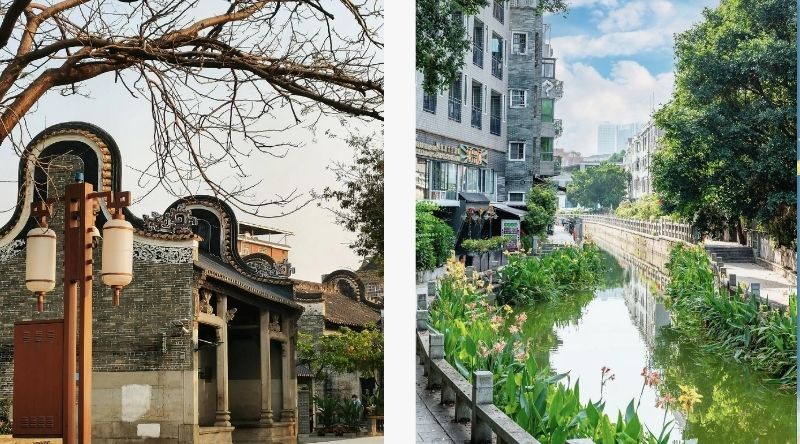
Nowadays, it has become a leisure and entertainment destination for citizens,
It is divided into a commemorative exhibition area, an ancient harbor park area, a boardwalk dining area, and a village square area, integrating exhibition and leisure.
The cuisine of Huangpu Ancient Port will definitely satisfy your appetite! It covers everything from time-honored brands to hidden small shops.
Overview
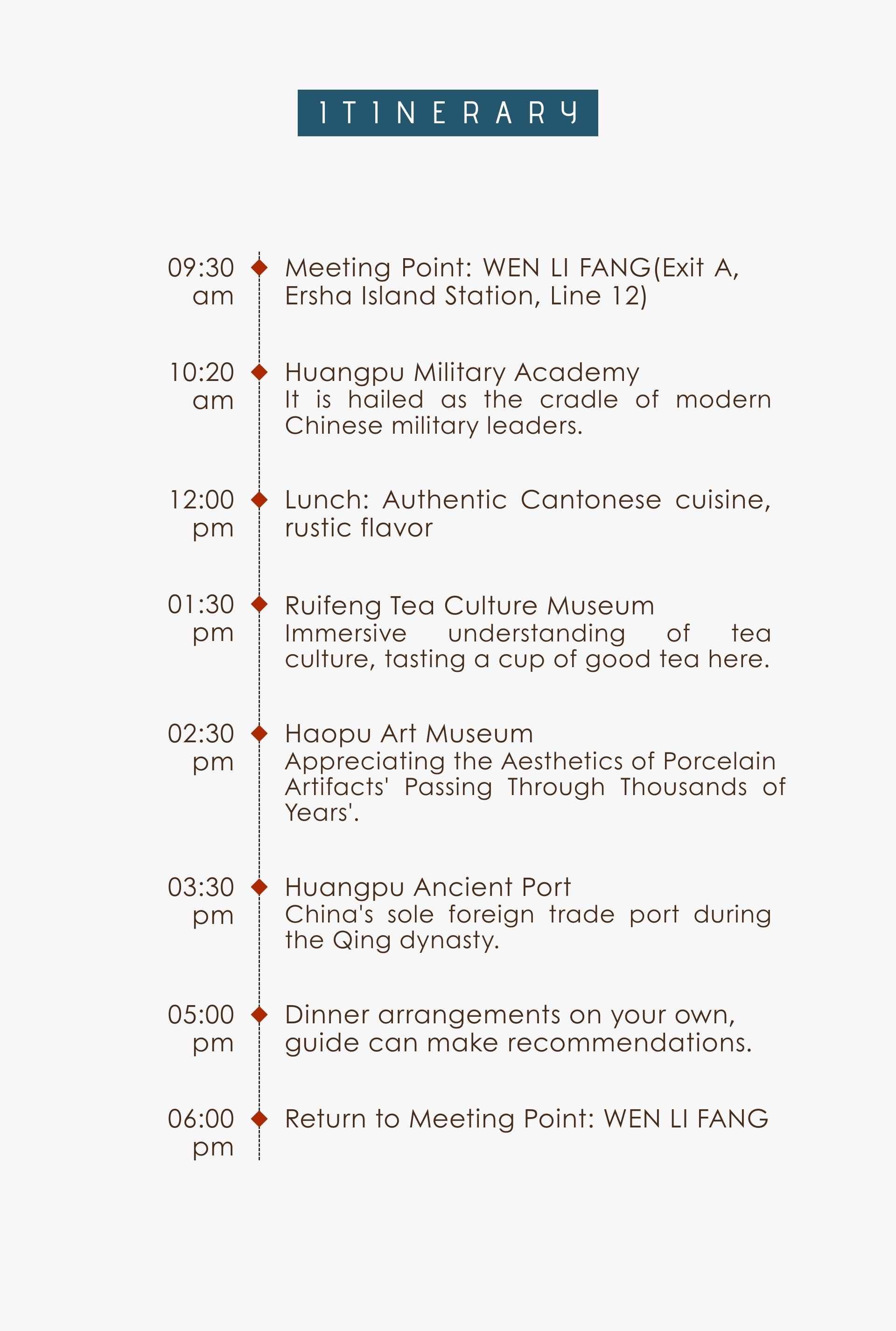
Itinerary
【Museum of the Old Site of the Whampoa Military Academy】
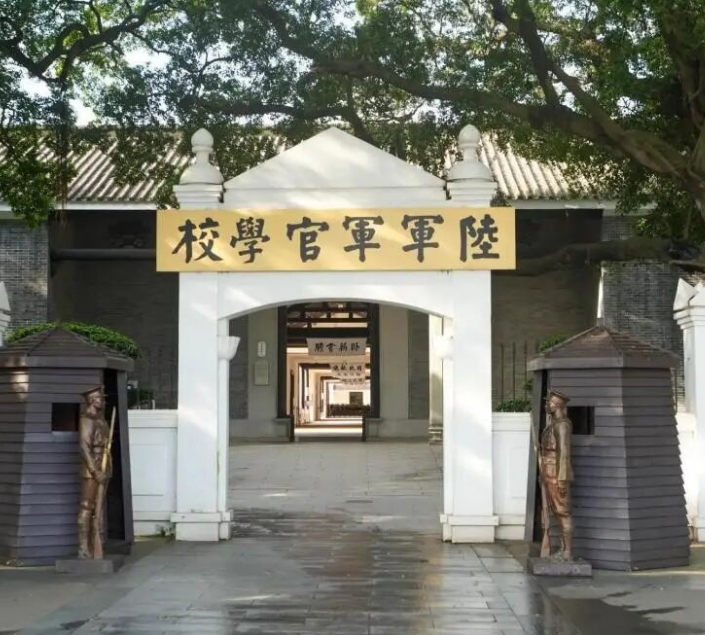
After the Opium War in 1840, China plunged into warlord conflicts. Sun Yat-sen, learning from three failed revolutionary attempts after the 1911 Revolution, realized the need to establish a genuine revolutionary armed force against imperialism and feudalism. The Chinese Communist Party's proposal for a "united front" aligned with Sun Yat-sen's thoughts. Consequently, Sun decided to ally with the Communists, welcoming CCP members to join the KMT as individuals, creating favorable political conditions for founding the Whampoa Military Academy. On January 24, 1924, Sun Yat-sen, in his capacity as Grand Marshal of the military government, officially ordered the establishment of the Army Officer Academy, selecting Huangpu Changzhou Island in the suburbs of Guangzhou as the site. On June 16, 1924, the Whampoa Military Academy held its opening ceremony, where Sun Yat-sen delivered a speech emphasizing the need to cultivate revolutionary talents to save the nation and its people. The former site of the Whampoa Military Academy is located on Changzhou Island, Huangpu District, Guangzhou, and was designated as a National Key Cultural Relic Protection Unit in 1988.
The official name of the Whampoa Military Academy is the "Republic of China Military Academy". It was the first new-style military and political school in modern Chinese history to train revolutionary cadres, and also a product of the first Kuomintang-Communist cooperation.
【Guangzhou Ruifeng Tea Culture Museum】
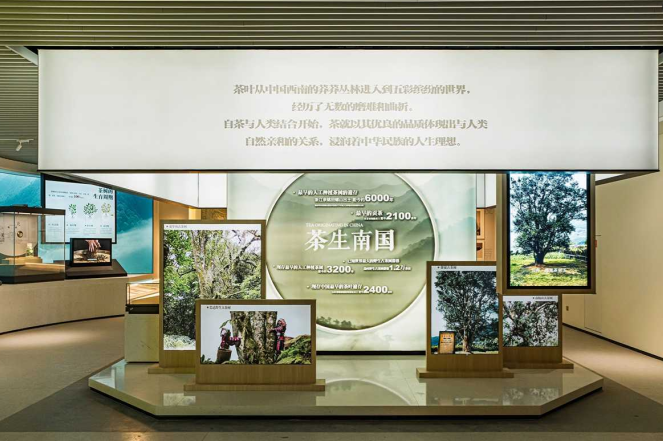
Guangzhou's first "Tea and the World" themed museum, with a total floor area of 12,600 square meters. Against the backdrop of "tea culture, tea industry, tea technology," it is a large-scale cultural tourism complex integrating six functional sections: Tea Museum, Version Library, Tea Academy, Tea Technology, Tea Life, and Tea Health. The museum houses its own collection of 2,300 precious items, including featured exhibits like a 1200-year-old ancient tea tree, replicated Tang Dynasty tea sets from the Famen Temple excavation, a Song Dynasty Tea Banquet painting, tea sets donated by Portuguese royalty, and aged tea-related artifacts.
* Closed on Mondays (excluding statutory holidays).
【Guangzhou Haopu Art Museum】
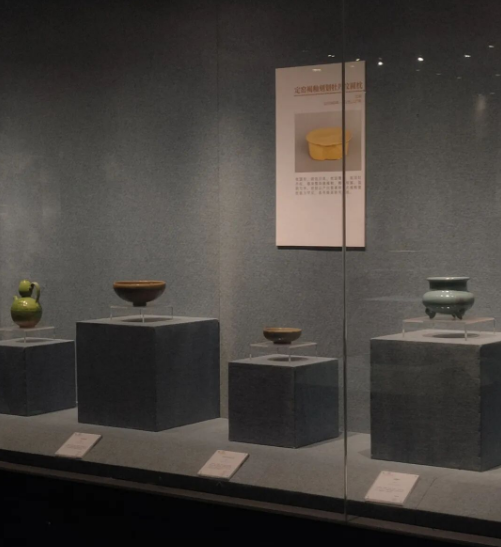
A private niche museum covering an area of 15,000㎡, with an exhibition area of 2,018.2㎡ and a collection of over 1,600 items, including painted pottery, porcelain, Buddhist statues, calligraphy and paintings, and classical furniture. Precious cultural relics include the Majiayao Liuwan Painted Pottery Basin with Dance Pattern, a Northern Song Ding Kiln Ewer with Carved Lotus Petal Peony Design, Applied Lion Knob and Lid, showcasing the artistic styles and cultural connotations of different historical periods.
【Huangpu Ancient Port】
Huangpu Ancient Port is an important historical witness to Guangzhou's "Maritime Silk Road." During the Southern Song Dynasty, it was already a place where "sea vessels gathered." After the Ming and Qing dynasties, it gradually developed into Guangzhou's outer port for foreign trade. In 1757 (the 22nd year of the Qianlong reign), the Qing court implemented the "Canton System," designating Guangzhou as the sole port for foreign trade, making Huangpu Ancient Port the mandatory stop for foreign merchant ships entering Guangzhou. The "Ancient Port Legacy" Archway is one of the iconic structures of the scenic area; the horizontal plaque with the characters "古港遗风" (Ancient Port Legacy) evokes images of the port's past appearance. Additionally, a "Haibang Street" is preserved along the shore, once a bustling market street, with ancient buildings like the Beidi Temple nearby. There are many characteristic foods around Huangpu Ancient Port, such as Naipo Ginger Milk Curd and Maoji Boat Congee, allowing visitors to taste authentic Cantonese cuisine.
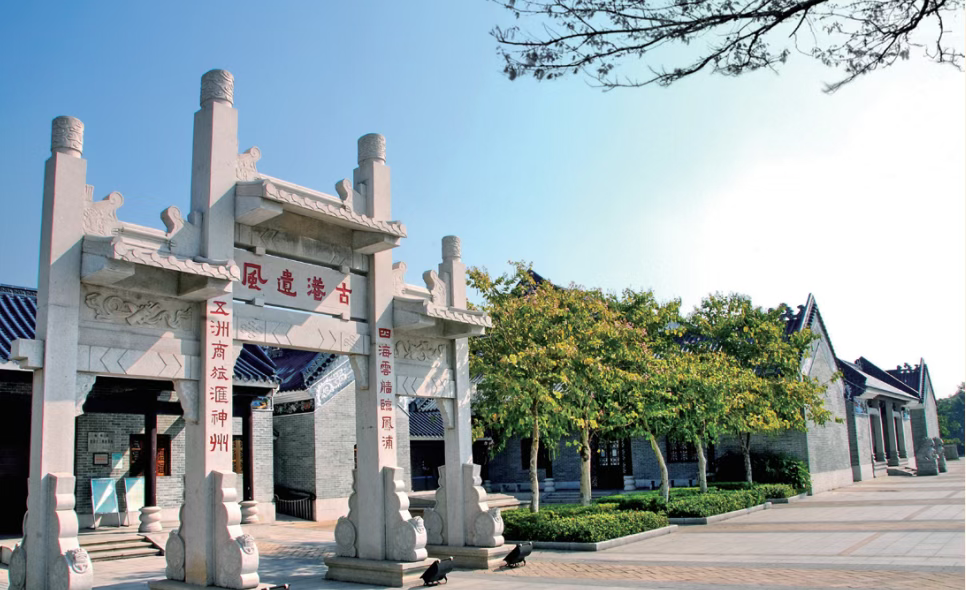
【Dinner on you own】
Free time in Huangpu Ancient Port area, the tour guide can recommend food for you.
Time honored brands and must eat lists:
Cat's Tale of Boat Congee: The Boat Congee made from firewood is very rich in fish fillets, squid, peanuts and deep-fried dough sticks.
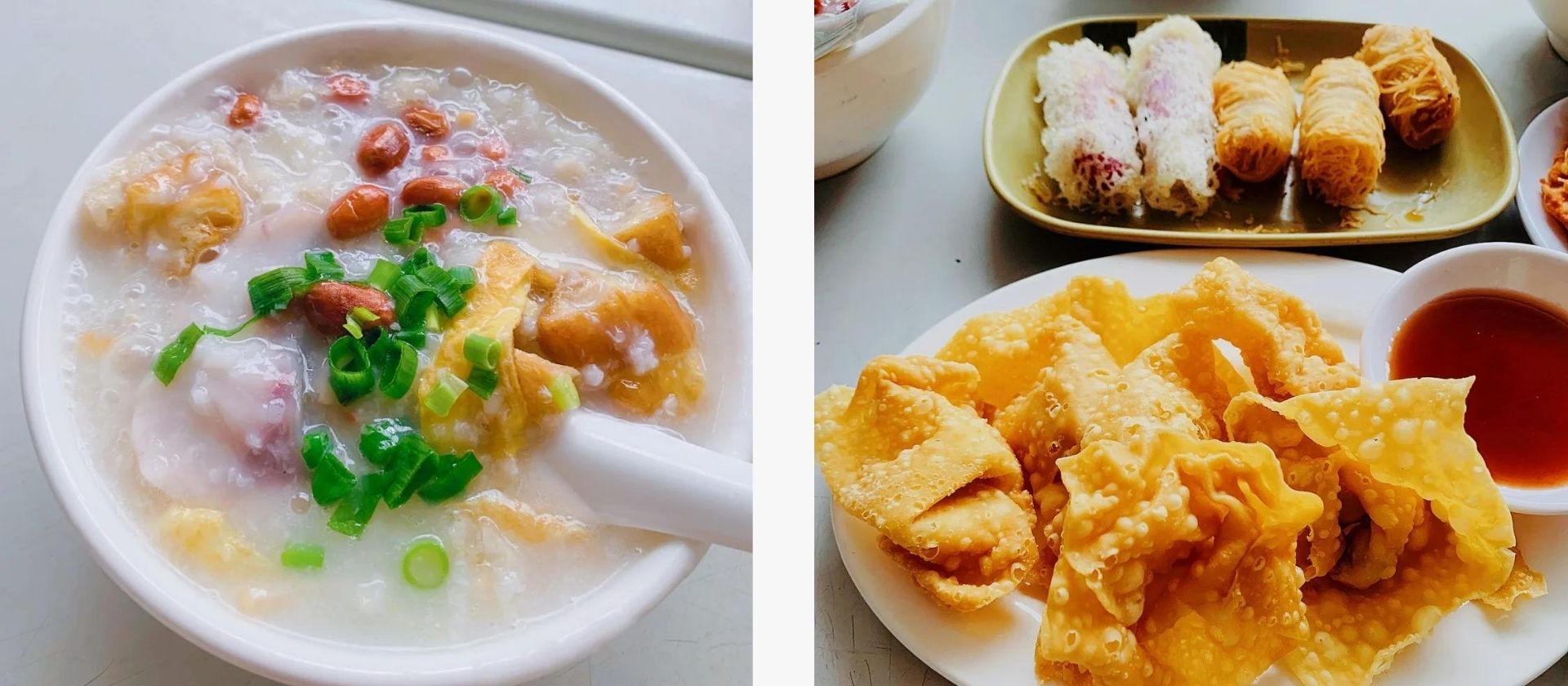
Naipo Ginger Mixing Milk: Made on-site with fresh water milk and ginger juice, the milk aroma is rich, the ginger flavor is pure, and the taste is delicate and smooth. You can also try colostrum and Chencun powder.
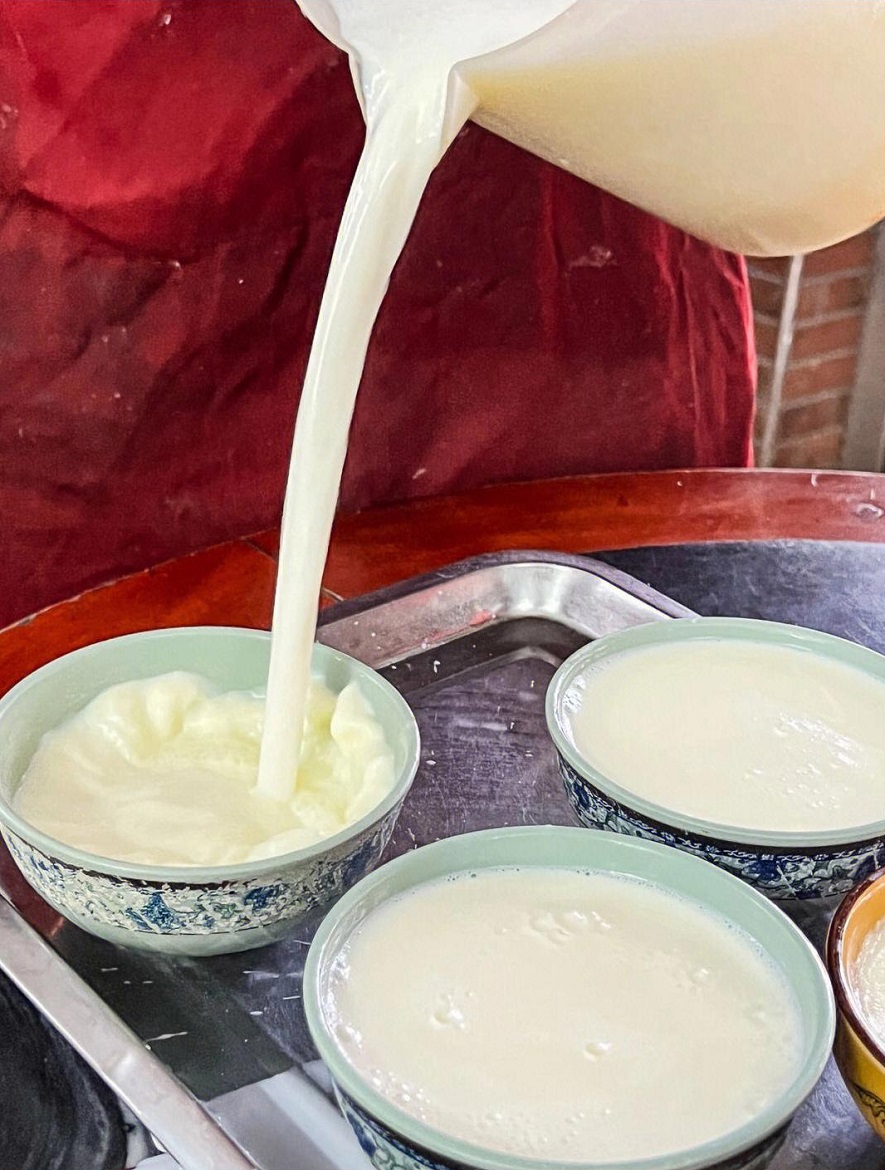
Pottery Cakes: Steamed with traditional pottery, it has a rich glutinous rice aroma and a soft and sticky taste.

18:00 PM | Farewell
Go back to disbanding place: WEN LI FANG and end of the tour.
PRICE INCLUDES
1. Comfortable air-conditioned vehicle(vehicle type varies by group size)
2. Professional English-speaking guide service
3. Admission to all attractions listed in the itinerary
4. Lunch*1+bottled water
5. Personal travel insurance
* Price for at least 4 pax. Less than 4 pax, the price is ¥1,498 yuan per person.
*Book at least 48 hours in advance.
NOT INCLUDED
1. Flights or trains to or from Guangzhou
2. Alcoholic drinks and premium beverages during meals
3. Hotel bookings before and after the tour
4. Souvenirs, optional activities, etc.
5. Extra costs from delays or strikes or weather
CANCELLATION POLICY
If for any reason, you decide to cancel the activity or excursion, the cancellation conditions specified in the product description or in the voucher will be valid.
In the event that the cancellation conditions in the product description do not differ, the provider of tourist services will charge you the following cancellation fees:
•Up to 48hours before the start of the activity: full refund (again we indicate that in certain specific cases the term may differ from this general policy)
•After 48 hours before the start of the activity: no refund.
 June 2025