
Exploring Chinese Tea Culture
For tourists visiting China, experiencing its profound and long-standing tea culture is an essential part of the journey. In China, tea is far more than just a beverage; it is an art of living, a way of hospitality, and even a means of self-cultivation.
History and Significance
China is the homeland of tea, with a history of tea drinking spanning over four thousand years. From the legendary Emperor Shennong discovering tea to Lu Yu of the Tang Dynasty compiling the world's first monograph on tea, "The Classic of Tea," tea culture has been deeply integrated into Chinese philosophy, poetry, and daily life. The core spirit of the traditional "Chinese Tea Ceremony" lies in "Harmony, Serenity, Enjoyment, and Truth," seeking harmony between people and between humanity and nature.
Major Categories of Tea
Chinese tea boasts a vast variety, primarily classified into six major types, each with distinct flavors:
uGreen Tea: Unfermented tea. Representatives include West Lake Longjing and Biluochun. It has a green color and a fresh, natural taste, preserving the tea leaves' natural compounds to the greatest extent.

uWhite Tea: Lightly fermented tea, such as Baihao Yinzhen. Simply processed, it offers a light, subtle, and sweet aftertaste. There's a saying: "One year it's tea, three years it's medicine, seven years it's a treasure."

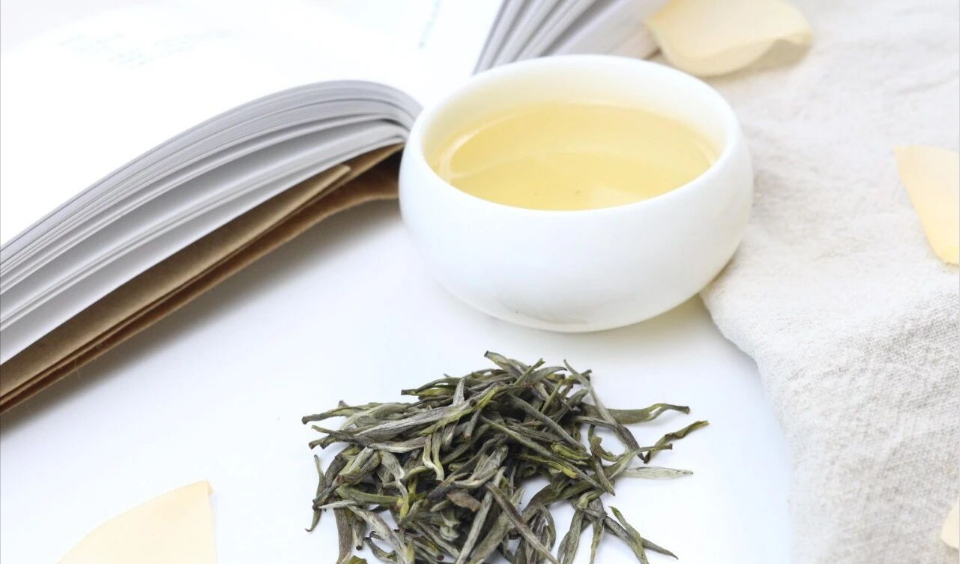
uYellow Tea: Lightly fermented with a unique "smothering" process, e.g., Junshan Yinzhen. It has a mellow taste and a distinctive yellowing aroma.
uOolong Tea: Semi-fermented tea, with a wide range of oxidation levels. Anxi Tieguanyin is fragrant and mellow, while Wuyishan Da Hong Pao is known for its robust "rock rhyme."

uBlack Tea: Fully fermented tea, popular in the West. Lapsang Souchong has a smoky pine flavor, and Keemun Black Tea, known as the "Queen of Black Teas," has a sweet, mellow taste.

uDark Tea: Post-fermented tea, like Yunnan Pu'erh. It can be aged for years, with its flavor evolving over time, and is known for aiding digestion.

Ways of Drinking and Etiquette
uBrewing in a Gaiwan: A common method for personal enjoyment. The Gaiwan (lidded bowl) consists of a bowl, lid, and saucer, symbolizing "Heaven, Earth, and Mankind." One can use the lid to gently brush aside the tea leaves while sipping.

uGongfu Tea Ceremony: Prevalent in Chaoshan and Fujian, this is a refined brewing art. It uses a small teapot (like a Yixing clay pot) and tiny cups, emphasizing precise pouring techniques. The focus is on appreciating the subtle changes in flavor through multiple infusions.

uBasic Etiquette: When the host pours tea, guests often express thanks by lightly tapping the table with their bent index and middle fingers—a custom said to originate from an anecdote about Emperor Qianlong traveling incognito. Tea should be served first to elders or guests of honor.
Modern Tea Life
Today, tea culture manifests in more diverse ways:
New-style Tea Drinks: Brands like Heytea and Naixue's Tea blend tea with milk, fruits, etc., creating trendy drinks popular among youth.
Teahouse Experience: From traditional teahouses like Lao She Teahouse with folk performances to modern, minimalist tea spaces, spending an afternoon at a teahouse is a great way to experience local slow living.

Tea Plantation Tours: Travel to famous tea origins like Meijiawu in Hangzhou (for Longjing) or Wuyi Mountain in Fujian (for Da Hong Pao) to pick and process tea leaves firsthand, immersing yourself in the culture at its source.
Tips for Tourists
Be Adventurous: Don't hesitate to ask tea masters for recommendations and try a pot of local specialty tea.
Visit Tea Markets/Houses: Even if you don't plan to buy, many tea markets or shops welcome guests to sit down for a free tasting and chat.
As a Gift: High-quality Chinese tea makes an excellent souvenir for friends and family back home.
